

Imagine sitting in a therapist's office. You describe your sleep patterns, your mood swings, and that nagging anxiety you can't quite shake. The therapist listens, nods, and takes notes. Now, imagine if that process happened differently. What if an algorithm analyzed the tone of your voice, the speed of your typing, or even the way you scroll through your phone, flagging early signs of depression before you even realized you were struggling? This isn't science fiction. It is happening right now. Artificial Intelligence is rapidly becoming a powerful tool in mental health diagnosis, shifting the field from reactive treatment to proactive detection.
But how exactly does code help us understand the human mind? And more importantly, does it actually work? If you are a clinician, a patient, or just someone curious about where tech meets psychology, you need to know what AI brings to the table-and where it falls short.
The Problem with Traditional Diagnosis
Let’s be honest: diagnosing mental health conditions is hard. Unlike a broken bone, which shows up clearly on an X-ray, disorders like Major Depressive Disorder or Bipolar Disorder don’t have a blood test. Doctors rely on subjective reports, observation, and checklists like the DSM-5 (Diagnostic and Statistical Manual of Mental Disorders). This method works, but it has flaws. Patients might underreport symptoms due to stigma. Clinicians might miss subtle cues during a brief 15-minute appointment. There is often a delay between the onset of symptoms and getting help.
This is where technology steps in. AI doesn’t get tired. It doesn’t judge. It can process massive amounts of data to find patterns humans might miss. By analyzing behavioral markers, AI aims to make diagnosis earlier, more objective, and more personalized.
What Is Digital Phenotyping?
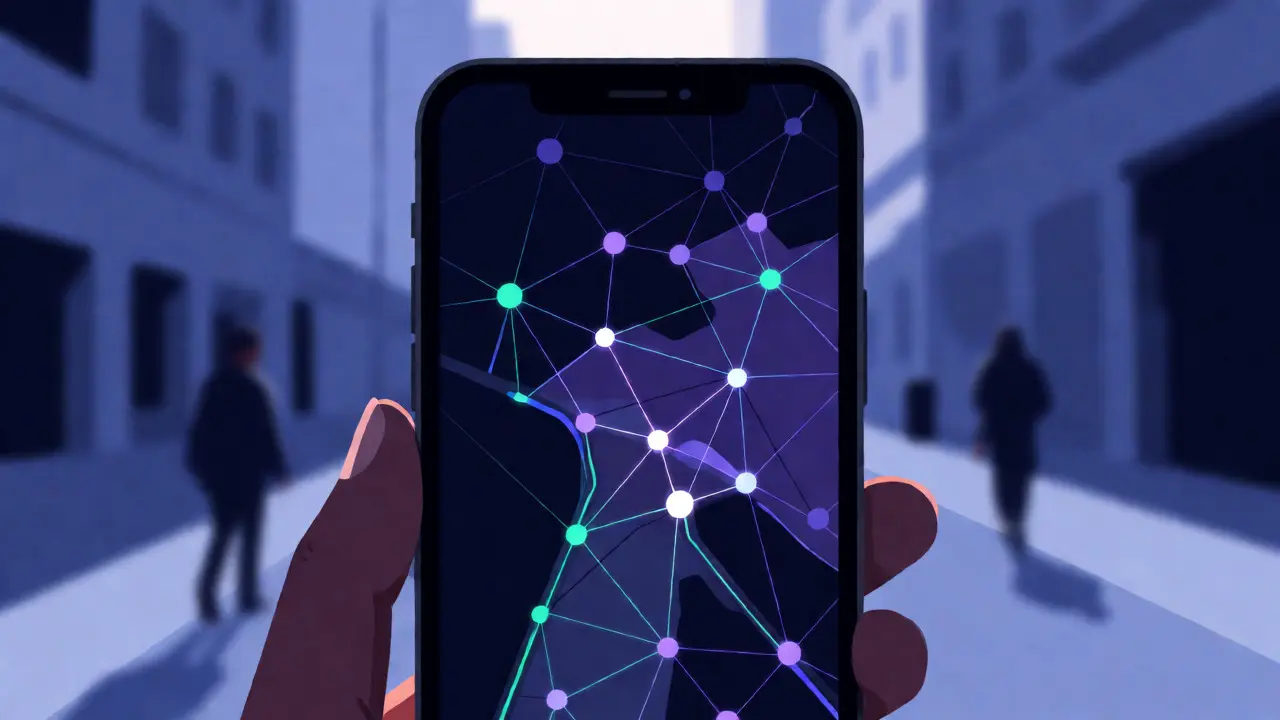
You’ve probably heard the term Digital Phenotyping. It sounds complex, but the concept is simple. Your smartphone knows a lot about you. It tracks when you wake up, how much you move around, who you text, and how fast you type. Digital phenotyping is the collection of this personal data to infer psychological states.
Researchers at institutions like MIT Media Lab have found strong correlations between digital behavior and mental health. For instance, people experiencing depressive episodes often show reduced physical movement (detected via GPS), decreased social interaction (fewer calls/texts), and changes in typing rhythm. An AI model trained on thousands of these data points can predict a depressive episode with surprising accuracy-sometimes days before the person feels it themselves.
Think of it as a continuous, passive monitor. Instead of waiting for a crisis to seek help, your phone could gently nudge you: "Hey, your activity levels have dropped by 40% over the last week. Want to talk to someone?"
Natural Language Processing: Listening to Your Words
Words matter. How we speak and write reveals our cognitive state. Natural Language Processing (NLP) is a branch of AI that helps computers understand human language. In mental health, NLP algorithms analyze speech and text for specific linguistic markers associated with conditions like schizophrenia, PTSD, or suicide risk.
For example, individuals with psychosis often use vague language, pause frequently, and struggle with sentence structure. Algorithms can detect these subtle shifts in syntax and semantics that a casual listener might overlook. A study published in *Nature Digital Medicine* showed that NLP models could distinguish between patients with first-episode psychosis and healthy controls with high precision by analyzing just a few minutes of recorded speech.
This isn’t about robots replacing therapists. It’s about giving clinicians a second set of ears. An NLP tool can transcribe a session, highlight key emotional themes, and flag inconsistencies between what a patient says and how they say it. This allows the therapist to focus on empathy and strategy, rather than just note-taking.
Predictive Analytics: Seeing the Future
Diagnosis is often retrospective-you identify the problem after it happens. Predictive Analytics flips this script. By combining electronic health records (EHR), genetic data, and lifestyle factors, AI models can estimate the likelihood of developing certain conditions.
Hospitals are already using these tools to triage emergency room patients. If a patient comes in with chest pain, AI checks their history, age, and vitals to rule out cardiac issues quickly. Similarly, in psychiatry, predictive models can identify patients at high risk for readmission or self-harm. This allows care teams to intervene proactively, perhaps scheduling a follow-up call or adjusting medication before a crisis occurs.
| Feature | Traditional Method | AI-Assisted Method |
|---|---|---|
| Data Source | Clinical interviews, self-reports | Sensor data, EHR, speech patterns, wearables |
| Frequency | Episodic (every few weeks/months) | Continuous (real-time monitoring) |
| Objectivity | Subjective (depends on clinician/patient bias) | Data-driven (consistent metrics) |
| Speed | Slow (requires manual analysis) | Instant (automated processing) |
| Scope | Limited to current session | Holistic view of long-term trends |
The Human Element: Can AI Replace Therapists?
No. Let’s clear that up immediately. AI lacks empathy. It cannot hold your hand when you cry or understand the nuanced sarcasm of a teenager dealing with family trauma. Chatbots like Woebot or Wysa provide cognitive behavioral therapy (CBT) techniques and offer 24/7 support, which is fantastic for mild anxiety or loneliness. But they are not doctors.
The best approach is a hybrid model. AI handles the data crunching, pattern recognition, and routine monitoring. Humans handle the connection, the judgment, and the complex ethical decisions. When used correctly, AI reduces burnout for clinicians by automating administrative tasks and highlighting critical cases. It frees them up to do what they do best: connect with people.

Ethical Concerns and Privacy Risks
With great power comes great responsibility-or so the saying goes. Using AI in mental health raises serious privacy questions. Who owns your mood data? Your phone company? The app developer? Your insurance provider?
There is also the risk of bias. If an AI model is trained primarily on data from one demographic group, it may misdiagnose others. For example, cultural differences in expressing distress might lead to false negatives in minority populations. Furthermore, there is the danger of "algorithmic determinism," where a patient is labeled based on a prediction rather than their actual lived experience. We must ensure transparency. Patients should know when AI is being used and have the right to opt out.
Practical Applications Today
So, what does this look like in practice? Here are three real-world scenarios:
- Wearable Integration: Smartwatches track heart rate variability (HRV). Spikes in HRV combined with poor sleep data can trigger an alert for potential anxiety spikes.
- Speech Analysis Apps: Veterans with PTSD use apps that record daily voice journals. The AI analyzes tone and word choice to detect worsening symptoms, prompting a check-in with their VA counselor.
- EHR Flags: Hospital systems use AI to scan medical records. If a patient has multiple visits for unexplained headaches and fatigue, the system flags them for a mental health screening, catching somatic symptoms of depression early.
Key Takeaways
- Early Detection: AI uses digital phenotyping to spot mental health issues before they become crises.
- Objective Data: It provides measurable insights into behavior and speech, reducing reliance on subjective self-reporting.
- Hybrid Care: AI supports, but does not replace, human clinicians. It enhances efficiency and continuity of care.
- Privacy Matters: Robust data security and transparent consent processes are essential for trust.
Is AI diagnosis accurate enough to rely on?
AI is highly effective at identifying risk patterns and supporting initial screenings, but it is not yet perfect for standalone diagnosis. Current models show high sensitivity (catching true positives) but can sometimes produce false alarms. It is best used as a tool to guide human clinicians, not to replace them entirely.
Does my phone really know I'm depressed?
It can guess. Through digital phenotyping, your phone observes changes in movement, communication frequency, and screen time. While it doesn't "know" emotions like a human does, statistical correlations between these behaviors and depressive episodes are strong enough to serve as useful warning signals.
Will AI make mental health care cheaper?
Potentially, yes. By automating routine monitoring and administrative tasks, AI can reduce the cost of long-term care management. It allows therapists to see more patients effectively and prevents expensive emergency interventions by catching issues early. However, the upfront cost of implementing these technologies can be high for smaller clinics.
What are the biggest risks of using AI in psychiatry?
The main risks are privacy breaches, algorithmic bias, and over-reliance on technology. If the training data lacks diversity, the AI may misinterpret symptoms in different cultural groups. Additionally, there is a fear that patients might feel dehumanized if interactions become too automated without proper human oversight.
Can chatbots treat severe mental illness?
Chatbots are generally suitable for mild to moderate conditions like stress, anxiety, or insomnia. For severe illnesses such as schizophrenia, bipolar disorder, or major depression with suicidal ideation, chatbots lack the complexity and empathy required for effective treatment. They serve best as companions or educational tools alongside professional care.